

Ejector Pins
Company Profile
Kegao attaches great importance to team construction and investment of precision equipment. Moreover, the company has strong technical force, complete equipment and advanced technology, such as Mitsubishi and Sodick EDM machine, Japan Mitsubishi and SEIBUOPE Wire Cutting machine, WAIDA-SPG-X Optical Grinding, MAZAK and TAKISAWA CNC Lathe, MAKINO CNC Machining Center, surface grinding machine, centerless grinding machine, ladder grinding machine, outer diameter/inner hole grinding machine.
Why Choose Us
Professional Team
We have introduced a group of senior technicians with production Europe and Japan precision parts experience.
Advanced Equipment
Inspection Equipment include Hexagon three-dimensional detector, Nikon projector, Mitutoyo 2.5D tool microscope, Swiss TRIMOS height gage, Nikon height gage and Hardness Tester for test and measurement.
Rich Experience
Our company has many years of production work experience. The concept of customer-oriented and win-win cooperation makes the company more mature and stronger.
High Quality
Our products have been widely applied in many fields, such as precision medical mould, connector mould, various types of cosmetic mould, PET preform mould, medical apparatus & instruments, jig, etc.

KEGAO Precision Mould Component
KEGAO Precision Mould Component We, the associate of KEGAO Precision Mould, believe in satisfy our customer with full commitment, and it is our company philosophy that everyone in the company tries achieving it.

Precision Mould Component Precision Connector
Precision Mould Component Precision connector DONGGUAN KEGAO Precision Technology Co.Ltd was founded in 200 7 .
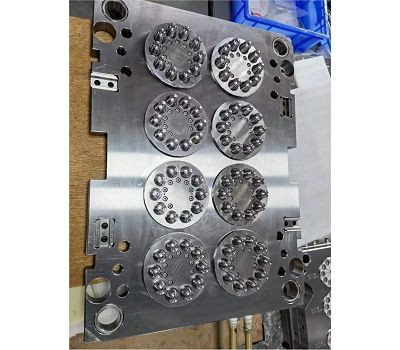
Plastic Injection Moulds And Plactic Parts
You will not just seeing our professionally manufactured products but you will also discover the business potential between you and us. Please contact us for more product details or price quotation.

KEGAO Precision Mould Plastic Injection Mould Multi Cavity Mould
Utilizando la última tecnología de marcado y grabado láser Foba CNC, se graban marcas finas de identificación y logotipo dentro de la cavidad para una claridad óptima.

Multi-Cavity Plastic Injection Mould Tools For The Medical, Connector And Automotive Markets
Precision Moulds has extensive experience in producing single and multi-cavity plastic injection mould tools for the medical, connector and automotive markets, for use in conventional, twin-shot, strip fed and overmould applications.

Medical Container Mould Plastic Injection Mould
We are a professional injection plastic mould & plastic molding manufacturers with rich experience, high quality, best price and quick delivery.Capacity more than 2000 sets per year.

Precision Plastic Mould Components Parts
We have a team of qualified professionals who have knowledge in their specific fields and possess worthy potential for producing a qualitative range of products.

Automobile Plastic Components Our company Kegao is a precision mould and metal spare parts and plastic injection mould manufacturer in China, hope we have chance to cooperate.

Industrial Plastics Injection Moulded And Metal Pressed Components
Kegao precision was established in the year 2007 . The company is based in Dongguan, China and is into manufacturing of Industrial Plastics injection moulded and Metal Pressed Components.
What is Ejector Pins?
An ejector pins is an ejector system that pushes the molded part out of the mold cavity after injection. Alongside ejector systems such as ejector blades and blocks, ejector allows efficient parts removal after molding.
Ejector pins are a big deal in the injection molding world, and they're in play across the globe. This technique nails it when it comes to producing items with top-notch precision and quality. So, that toy you picked up at the shop or the container from your kitchen likely owes its existence to ejector pins in injection molding.
Their function might seem simple, but the design, placement, and operation of ejector pins have a significant impact on the overall quality of the final product, the production cycle, and the longevity of the mold.
Benefits of Ejector Pins
Minimized Part Damage
Ejector pins must be carefully designed to apply force evenly across the part's surface. Poorly designed pins or improper placement can lead to cosmetic defects, scratches, or even deformation of the part, rendering it unusable.
Optimized Cycle Time
Efficient ejection contributes to reducing the overall cycle time of the injection molding process. Properly designed ejector pins ensure a swift and smooth ejection process, allowing for faster mold opening and closing cycles.
Consistency and Quality
Consistent ejection prevents part sticking, warping, or distortion, resulting in consistently high-quality parts with precise dimensions and details.
Longevity of the Mold
The force exerted by ejector pins can impact the longevity of the mold itself. If ejector pins are improperly designed or applied, they can cause excessive wear and tear on the mold, leading to more frequent maintenance and mold replacement.
Type of Ejector Pins
Through-Hard Ejector
Through-hard ejector pins require heat treatment to allow the diameter of the pin to withstand high temperatures. As a result, they are appropriate for working with plastic systems under 200⁰C.
Nitride H13 Ejector
Nitride H13 Pins or case-hardened ejector pins can withstand a temperature of up to 600⁰ C. They can be drilled or tapped, but they are also relatively soft and may chip easily in comparison to other types of ejector pins.
Black Ejector
Black ejector pins replaced nitride H13 pins as the nitride H13 pins could not withstand temperatures above 600⁰ C. As a result, the pins can resist high heat. They were manufactured with a special self-lubricant to withstand a temperature of 1000⁰ C and are suitable for working with automotive parts. However, they are expensive but meet the required conditions to resist high temperatures.
Applications of Ejector Pins
Automotive Industry
The automotive industry extensively uses injection molding to manufacture various components, such as interior and exterior trim parts, electrical connectors, and engine components. Ejector pins are crucial for the successful ejection of these parts, ensuring smooth production processes and high-quality output.
Consumer Goods
Consumer goods, such as household appliances, electronic devices, and packaging products, often rely on injection molding for efficient and cost-effective production. Ejector pins play a vital role in ejecting these parts from the molds, ensuring consistent production and dimensional accuracy.
Medical and Healthcare
The medical and healthcare industry requires precision and reliability in part production. Injection molding is commonly used for manufacturing medical devices, laboratory equipment, and disposable medical supplies. Ejector pins contribute to the successful ejection of these critical parts, maintaining the highest quality standards.
What Factors Should be Considered When Selecting Ejector Pins for Injection Molding?
Part design
The dimensions, shape, and complexity of the part play a significant role in determining the size and configuration of the ejector pins needed.
Material
The material being used for injection molding affects the selection of ejector pins. Different materials may require specific pin materials or coatings to prevent wear and ensure smooth ejection.
Production volume
The anticipated production volume determines the durability and lifespan requirements of the ejector pins. High-volume production may require more robust pins to withstand continuous use.
Ejection force
The force required to eject the part from the mold affects the choice of ejector pin type and configuration. Parts with complex geometries or tight tolerances may require specialized ejector pins to ensure proper ejection.
Pin Size and Length
Determining the appropriate pin size and length is fundamental to effective ejection. Pins that are too small or short might not provide enough force for proper ejection, leading to part sticking or damage. Conversely, pins that are too large could cause excessive stress on the part or mold. The pin length should account for the depth of the mold and the required ejection stroke.
Placement and Quantity
Strategically positioning ejector pins is essential to ensure even and balanced ejection forces across the part's surface. The number and placement of pins depend on factors such as part geometry, material properties, and ejection area. Properly distributed pins prevent warping, distortion, and cosmetic defects on the part.
Material Selection
Choosing the right material for ejector pins is crucial for durability, wear resistance, and overall performance. Pins are often made from tool steels, with through-hardened and nitrided options available. Material selection should take into account factors such as the type of plastic being molded, expected production volume, and part complexity.
Ejection Area Design
The design of the ejector plate and the arrangement of pins on it contribute to efficient ejection. A well-designed ejector plate ensures that pins move smoothly and evenly, minimizing the risk of misalignment or binding. The plate's design also impacts the distribution of ejection force and prevents concentrated stress points on the part.
Balanced Ejection
Balanced ejection involves distributing ejection forces evenly across the part's surface to prevent distortion or damage. This is particularly important for parts with complex geometries or varying wall thicknesses. Achieving balanced ejection requires careful pin placement and a well-designed ejector plate system.
Preventing Part Damage
Ejector pins should be designed to apply a controlled force that releases the part without causing any deformation, scratches, or cosmetic defects. Careful consideration of pin size, shape, and placement helps prevent damage to the part during ejection.
Ejector Pin Systems
Ejector pin systems are integral to the injection molding process, facilitating the smooth and efficient release of molded parts from the mold cavity. These systems encompass various components and mechanisms that work in coordination to ensure controlled and balanced ejection. In this detailed exploration, we'll delve into the key elements of ejector pin systems, their design considerations, and their role in optimizing injection molding operations.
How To Choose The Right Ejector Pins In Injection Molding?
Choose a Large Ejector Pin Diameter
Generally, it would be best if you used a large ejector pin for a large molded part because a large diameter will reduce the penetration of the pin into the molded part by reducing the penetration force. Furthermore, you should ensure the diameter is an integer (avoid decimals and non-standard values.
Ejector Pin Size
Although the pins should have a large diameter, they should also have a corresponding small size. Adjusting should depend on the size of the molded part. Reducing the ejector pin size will reduce the penetration into the molded part.
Strength Requirement
The pin should be strong enough to withstand the high injection pressure. You can avoid bending the pin by ensuring the diameter is equal to or greater than 2.5mm. If not, you should use a shoulder ejector pin. Also, you should ensure the strength could counter the undercut in injection molding.
Other factors include the type of materials. Also, it would be best if you considered the price of the ejector system, especially for replacement during maintenance, as the price of the ejection system could drive the mold cost.
How to Maintain Ejector Pins
Maintenance
Regular maintenance routines help prevent premature wear, ensure smooth operation, and extend the lifespan of ejector pin systems –
Cleaning
Regularly clean the ejector pins, plates, and associated components to remove debris, dust, and residues that can accumulate over time. Use appropriate cleaning agents and techniques that do not damage the pins or mold surfaces.
Lubrication
Apply suitable lubricants to reduce friction and wear between moving components, such as ejector pins and sleeves. Proper lubrication enhances the efficiency of the ejection process and prolongs the life of the ejector pin system.
Inspect Wear Components
Regularly inspect wear plates, guide components, and springs for signs of wear, damage, or misalignment. Replace worn or damaged components promptly to prevent issues during operation.
Spring Inspection
If springs are part of the return system, inspect them for fatigue, corrosion, or deformation. Replace worn or damaged springs to maintain consistent ejection force.
Alignment Check
Periodically verify the alignment of the ejector pin system, ensuring that pins move smoothly and evenly during ejection and retraction. Misaligned pins can cause uneven ejection and part damage.
Pin Surface Inspection
Examine the surfaces of ejector pins for signs of wear, chipping, or damage. Replace pins that show significant wear to maintain consistent ejection quality.
Troubleshooting
Promptly addressing issues with the ejector pin system is crucial to preventing production delays and maintaining part quality.
Our Factory
R&D, production and sales, automation equipment and accessories, mold accessories, hardware accessories, punch products, plastic products.
Our products have been widely applied in many fields, such as precision medical mould, connector mould, various types of cosmetic mould, PET preform mould, medical apparatus & instruments, jig, etc.


FAQ
Hot Tags: ejector pins, China, suppliers, manufacturers, factory, custom, customized, machining
Send Inquiry
